

BABTAC urges caution and prioritising safety as unregulated cosmetic procedures continue to grow in popularity.
A new report published today by the Women and Equalities Committee highlights serious safety concerns across both surgical and non-surgical cosmetic procedures. It draws attention to high-risk treatments such as liquid Brazilian Butt Lifts (BBLs), the lack of regulation in non-surgical procedures, and the risks associated with cosmetic tourism. The report also emphasises the importance of practitioner qualifications, aftercare, and public awareness.
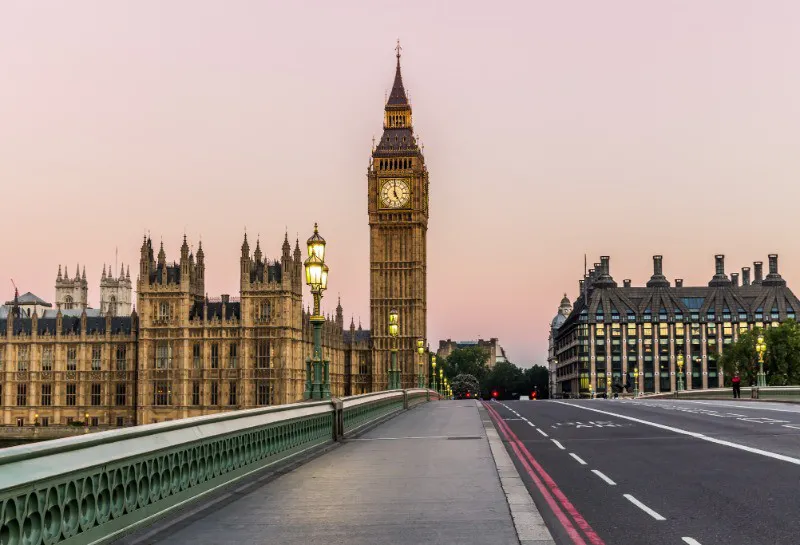
BABTAC (British Association of Beauty Therapy and Cosmetology) played a direct role in informing the Committee’s findings. Lesley Blair MBE, CEO and Chair of BABTAC & CIBTAC, provided evidence on behalf of the association during the Women and Equalities Committee’s evidence session at the Palace of Westminster in October last year — contributing frontline industry insight that helped shape the report.
Licensing and Safety Standards
Lesley Blair MBE said:
“With treatments becoming more accessible due to lower costs, decisions that should involve careful research are sometimes made more impulsively. Without enforceable standards, self-regulation leaves consumers exposed to harm and undermines the professionalism of the sector.”
She added:
“We fully support the Women and Equalities Committee’s recommendation to introduce a licensing system for ‘green’ and ‘amber’ lower-risk non-surgical cosmetic procedures, ensuring only suitably qualified practitioners can perform them. We urge the Government to act within this Parliament to bring this framework into effect.”
BABTAC’s central message is simple: don’t compromise on safety for the sake of savings.
Lesley Blair MBE emphasized:
“Anyone considering cosmetic treatments should conduct thorough research, never be swayed solely by low prices, verify the practitioner’s training, ensure they have proper insurance, and check both pre-treatment preparation and aftercare services as a minimum.”
Cosmetic Tourism and Aftercare
The report also calls on the Government to review the need for the NHS to systematically record complications arising from cosmetic procedures performed abroad.
Lesley Blair MBE commented:
“What many people overlook is the aftercare and risk of complications post-procedure. Once back in the UK, individuals may face recovery issues without access to a dedicated aftercare team. This can create highly stressful situations, sometimes requiring urgent care or corrective procedures. Not only does this cause emotional distress, but it also places an added strain on the NHS.”
Social Media and Body Image
The report recommends that the Department of Health and Social Care work with the Department for Education to integrate evidence-based body image and social media literacy programmes into school curricula, including the risks of cosmetic procedures.
Lesley Blair MBE added:
“Social media platforms and face-editing technologies are shaping unrealistic beauty standards, particularly for young women and girls. This can increase pressure to seek cosmetic procedures, sometimes impulsively and without fully understanding the risks. We support initiatives that educate the public, especially young people, about potential harms and encourage responsible use of social media to promote realistic body image.”
Research shows that 52% of women aged 18-34 would consider having a cosmetic procedure in the future, and nearly half of young adults agree that social media has made both surgical and non-surgical treatments more commonplace.
Liquid BBLs and Breast Implants
The Committee’s report called on the Government to commission research to better understand the health impacts of breast implants, including potential effects on women with pre-existing autoimmune conditions. It also recommends that all practitioners performing invasive surgical cosmetic procedures hold specialist training and appropriate board certification for the procedures they undertake. In addition, the Committee called for an immediate ban on Liquid BBLs and liquid breast augmentations.
BABTAC’s response reinforces the need for clear safety standards, licensed practitioners, and public awareness to protect consumers and ensure professional, accountable practice in the growing cosmetic sector.