hormonal shifts during menopause
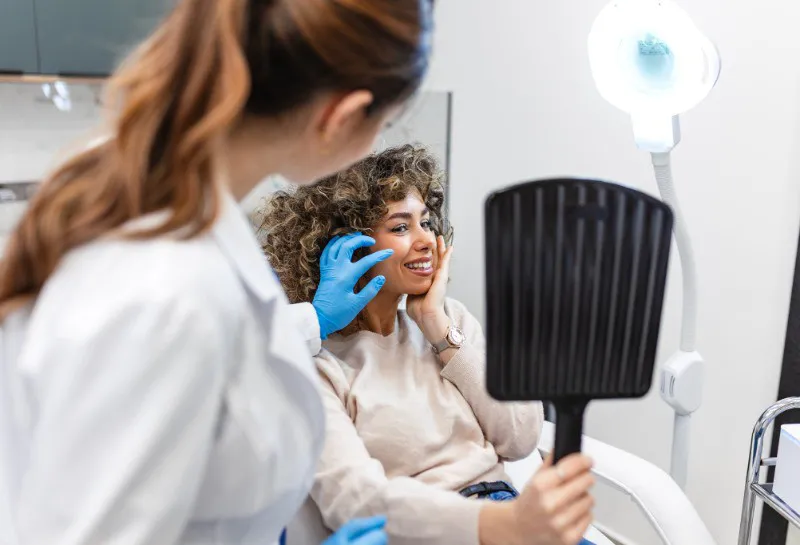
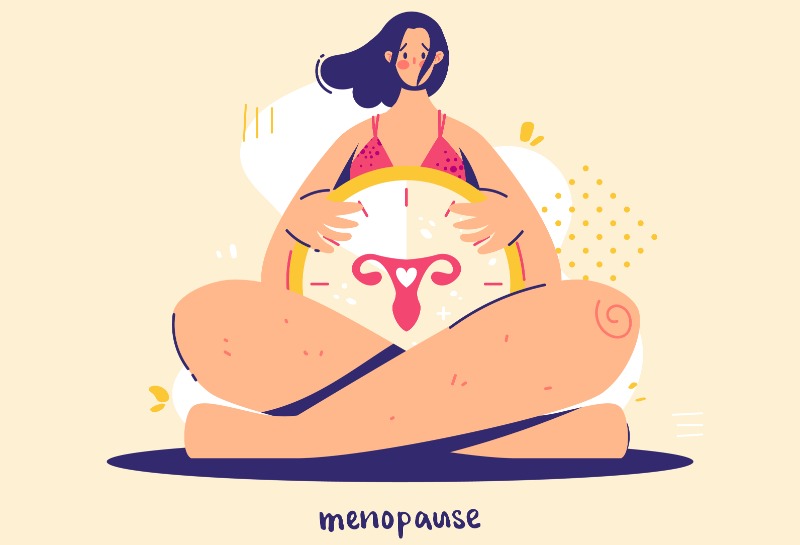
Dr Dodd highlights that hormonal shifts during menopause (mainly due to declining oestrogen) can contribute to several issues including: 
  • Loss of bone mass 
  • Dry mouth
  • Gum inflammation 
  • Bleeding gums 
  • Receding gums 
  • Tooth decay 
  • Loose teeth 

“The most common thing I see in clinic with regards to the menopause is dry mouth. Dry mouth can increase your risk of gum disease and cavities as when your saliva glands don’t produce enough to clear oral bacteria, germs can build up fairly quickly which in turn increases your risk for tooth decay and gingivitis”  

He recommends regular dental check-ups, maintaining good oral hygiene and considering treatments such as dental implants or cosmetic procedures to address any aesthetic concerns.
 
"Taking care of your oral health during menopause is essential not only for your smile but also for your overall well-being," says Dr Dodd.
 
 
3. Hair Health: Dr Bessam Farjo, Hair Restoration Surgeon & Hair Loss Expert
Hair changes during menopause can be particularly distressing for many women. Dr Bessam Farjo, a leading Hair Restoration Surgeon and Hair Loss Expert at Farjo Hair Institute, delves into the complexities of menopausal hair loss and provides guidance on managing it.
 
“Hair loss during menopause and perimenopause is relatively common. More generally, losing some hair volume is a natural part of the ageing process. For example, it is estimated that around 40% of women aged 70 years or over experience female-pattern baldness – the most common type of hair loss, which is thought to be inherited.”
 
Menopause causes oestrogen levels to drop, and as oestrogen is a hair-friendly hormone that helps to keep hair in the growing phase, the decreased levels mean that the hair grows more slowly and becomes thinner.
 
“The drop in oestrogen can also mean the effects of androgens – male hormones – can increase. These hormones shrink hair follicles, making them produce increasingly more fragile hairs and eventually none at all.”
 
Dr Farjo explains eating a healthy, balanced diet is crucial at every age. “Make sure you are eating plenty of whole grains, good fats and vegetables, as this can certainly help – particularly if your hair loss has been exacerbated by your diet.”
 
Keeping your stress levels in check can also help to balance your hormone levels. “As mentioned, stress can raise androgen levels in the body, so finding something that can help you relax is a good idea. Many women find yoga, breathing exercises and keeping active can be particularly effective.”
reatments available that may help combat menopausal hair loss

There are many treatments available that may help combat menopausal hair loss. “Non-surgical solutions include Minoxidil lotion, foam and even tablets.

Finasteride is an oral medication licensed for men’s hair loss, however, in some menopausal women, it may help as well. Low-Level Laser Therapy, where the scalp is bathed in light to encourage cells to produce more protein, can also work nicely on thinning hair. Another popular option is Platelet-Rich Plasma therapy, which involves a patient’s blood being re-injected into their scalp to stimulate growth.”

"Understanding the causes of menopausal hair loss and seeking appropriate treatments can significantly boost confidence and improve quality of life for women during this stage," says Dr Bessam Farjo.

 
As Menopause Awareness Month kicks off in October 2023, it's crucial for women to be well-informed about the impact of menopause on their skin, teeth, and hair. These expert insights from Dr Anjali Mahto, Dr Stephen Dodd, and Dr Bessam Farjo aim to empower women to navigate this phase of life with confidence and maintain their health and well-being.

If you want to read more, the experts at Consulting Room really know what they're talking about and have put together some Menopause FAQs just for you. 

If you have more questions, you can use the Menopause questions feature to talk to our panel of trained medical experts. 

If you're keen to get started with any of these treatments right away then you're in luck - those clever folks also have a list of trusted, accredited Menopause clinics in your area.

Read it? Loved it? Want to share it?

Hey, wait!

Before you go.....

Let's stay in touch, pop your details here and we'll send our editor's hand-picked updates on your fave subjects.