


1. Alcohol and Sleep:
Quality sleep is crucial for overall well-being and weight management. However, alcohol can disrupt our sleep patterns. While it might initially make you feel drowsy and aid in falling asleep faster, it negatively affects the quality of your sleep. Alcohol can interrupt REM sleep, leading to restless nights and increased fatigue the next day.
Lack of quality sleep affects your hormone balance, including those responsible for appetite regulation, which brings us to our next point.
2. Alcohol and Appetite:
Alcohol can influence our appetite in multiple ways. Firstly, it can increase our desire for high-calorie, unhealthy foods. After consuming alcohol, we often crave greasy or salty snacks, leading to overeating and consuming excess calories. Moreover, alcohol can impair our judgment and decision-making abilities, making it harder to resist indulging in unhealthy food choices. Additionally, alcohol can disrupt the hormones responsible for regulating appetite, leading to an increase in hunger and a decrease in feelings of fullness.
3. Alcohol and Motivation:
Maintaining motivation is crucial for anyone striving to lose weight. Unfortunately, alcohol can dampen our motivation levels. Alcohol affects the central nervous system, which can lead to decreased energy levels, reduced focus, and diminished drive. These effects can make it challenging to stick to a consistent exercise routine and maintain a healthy lifestyle.
4. Disinhibition and Overeating:
Alcohol's effect on the brain can lead to disinhibition, reducing inhibitions and self-control. This can result in overeating or consuming larger portions than intended. Additionally, alcohol lowers inhibitions around food choices, making it harder to resist unhealthy options. The combination of impaired judgement and disinhibition can lead to the consumption of excess calories, hindering weight management efforts.
5. Impaired Exercise and Activity Choices:
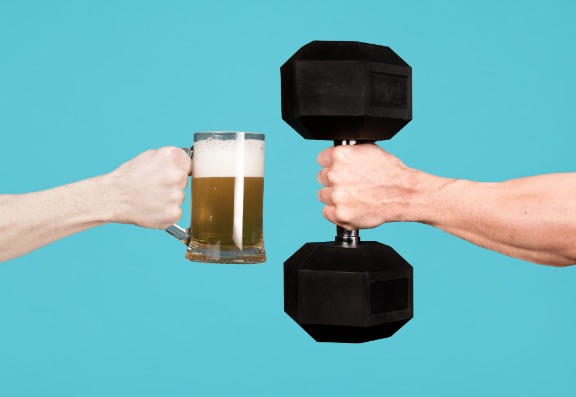
Alcohol's impact on judgement extends beyond food choices. It can also affect exercise and activity decisions. When under the influence, individuals may be less likely to engage in physical activity or prioritise exercise. This can disrupt the energy balance necessary for weight management and hinder progress towards weight loss goals.
6. Alcohol and Fat Mobilisation:
One of the primary goals of weight loss is to mobilise and burn stored fat. However, alcohol consumption can hinder this process. When alcohol is present in the body, it takes precedence in the metabolic process. This means that the body prioritises metabolising alcohol over breaking down fat for energy. As a result, the fat-burning process slows down, making it more difficult to shed unwanted pounds.
7. Alcohol as Empty Calories:
Beyond its effects on sleep, appetite, motivation, and fat mobilisation, alcohol should be approached with caution due to its calorie content. Alcohol is known as "empty calories" because it provides energy without substantial nutritional value. A single gram of alcohol provides seven calories, almost as many as fat. It's essential to remember that these calories can add up quickly, especially if you are consuming alcoholic beverages alongside regular meals, thus contributing to weight gain if not accounted for within your overall caloric intake.
8. Emotional Eating and Coping Mechanisms:
Alcohol can also influence emotional well-being, potentially leading to emotional eating or using food as a coping mechanism. Impaired judgement can amplify the desire for comfort foods or high-calorie snacks as a response to emotional stress. This can derail weight management efforts and hinder progress towards sustainable weight loss.
Conclusion:
While it's essential to be mindful of how alcohol affects sleep, appetite, motivation, and fat mobilisation, it is equally important to recognise its impact on judgement and decision-making. Impaired judgement can lead to poor food choices, increased caloric intake, disinhibition, and hindered exercise habits. To effectively manage weight, it's crucial to approach alcohol consumption mindfully and consider its potential implications. Striving for moderation, practising self-awareness, prioritising sleep and making informed choices can help navigate the impact of alcohol on weight management, ensuring progress towards your goals while maintaining a balanced and healthy lifestyle.
If you want to read more, the experts at Consulting Room really know what they're talking about and have put together fat, lipolysis, body contouring, weight loss, arm fat, liposuction and cryofreezing FAQs just for you.
If you have more questions, you can use the fat, lipolysis, body contouring, weight loss, arm fat, liposuction and cryofreezing questions feature to talk to our panel of trained medical experts.
If you're keen to get started with any of these treatments immediately, then you're in luck. Those clever folks also have a list of trusted, accredited fat, lipolysis, body contouring, weight loss, arm fat, liposuction and cryofreezing clinics in your area.

Many thanks to the author of this blog Dr Sam Robson who owns Temple Clinic.
Dr Sam Robson is a highly respected and experienced practitioner who qualified as a GP in 1997 and has been practising aesthetic medicine since 2004.
She has also become progressively aware of the increasing incidence of low morale and self-esteem
The repertoire of treatments provided by the clinic aims to help address many problems.
Call Dr Sam Robson on 0122 486 9997 or visit www.templeclinic.co.uk.