

What is cosmetic dentistry and how is it different from general dentistry?
General dentistry focuses on the health and function of your teeth and gums, covering check-ups, fillings, extractions and root canal treatment. Cosmetic dentistry focuses primarily on the appearance of your smile. Many treatments overlap — for example, a crown can restore a damaged tooth while also improving its look — but purely cosmetic procedures such as teeth whitening and veneers are not clinically necessary and are not available on the NHS.
How do I know if a cosmetic dentist is qualified in the UK?
All dentists practising in the UK must be registered with the General Dental Council (GDC). You can verify any dentist's registration at gdc-uk.org. For cosmetic work specifically, look for membership of the British Academy of Cosmetic Dentistry (BACD), which requires members to demonstrate ongoing education and commitment to cosmetic practice standards. Always ask to see a portfolio of their work.
Is cosmetic dentistry available on the NHS?
The NHS covers dental treatment that is clinically necessary, meaning treatment required to keep your mouth healthy and free of pain. Purely aesthetic treatments such as teeth whitening, porcelain veneers, and composite bonding for cosmetic reasons are not available on the NHS. Some treatments — such as a crown on a damaged tooth — may be available where there is a clinical need, but the NHS version may differ aesthetically from a private one.
How long do cosmetic dental treatments last?
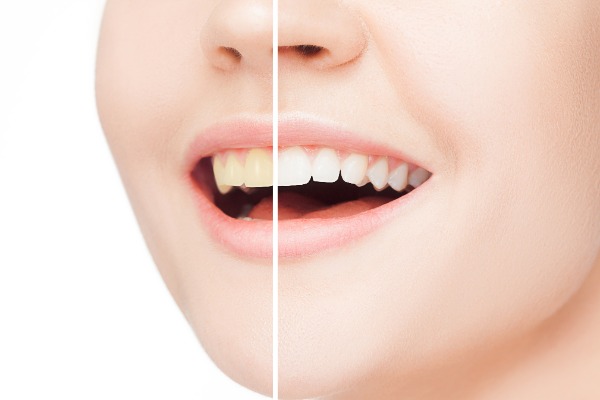
Longevity varies significantly by treatment. Professional teeth whitening results typically last one to three years with maintenance. Composite bonding usually lasts four to eight years. Porcelain veneers can last ten to fifteen years or more with good care. Dental implants, with proper maintenance, can last a lifetime. Clear aligner treatment results are permanent providing retainers are worn as directed.
How much does cosmetic dentistry cost in the UK?
Costs vary widely depending on the treatment, the practice, and your location. As a general guide: professional teeth whitening typically ranges from £300 to £800; composite bonding from £150 to £400 per tooth; porcelain veneers from £700 to £1,500 per tooth; Invisalign or clear aligners from £2,500 to £5,500 for a full course; and dental implants from £2,000 to £3,000 per tooth. Always obtain a written treatment plan and cost breakdown before proceeding.
Is teeth whitening safe, and who can legally provide it in the UK?
Professional teeth whitening is safe when performed or supervised by a GDC-registered dental professional. Under UK law, only GDC-registered dentists, dental hygienists and dental therapists can legally provide whitening treatment using products containing more than 0.1% hydrogen peroxide. Beauty salons and non-dental practitioners offering whitening are operating illegally. At-home kits supplied by your dentist are safe and effective; over-the-counter whitening products are limited in strength and provide more modest results.
What are the most popular cosmetic dentistry treatments in the UK right now?
Based on 2025 market data, the most in-demand treatments are teeth whitening, composite bonding (the fastest-growing segment, particularly among younger patients), porcelain veneers, clear aligners such as Invisalign (searches up 89% year-on-year), and dental implants (enquiries up 67% year-on-year). Digital smile design, ultra-thin no-prep veneers and integrated facial aesthetic treatments are among the emerging trends driving clinic bookings.