
The Link Between Stress and Your Skin
Stress is a normal response to challenging situations, but prolonged or intense stress can have an impact on the body in several ways – including the skin.
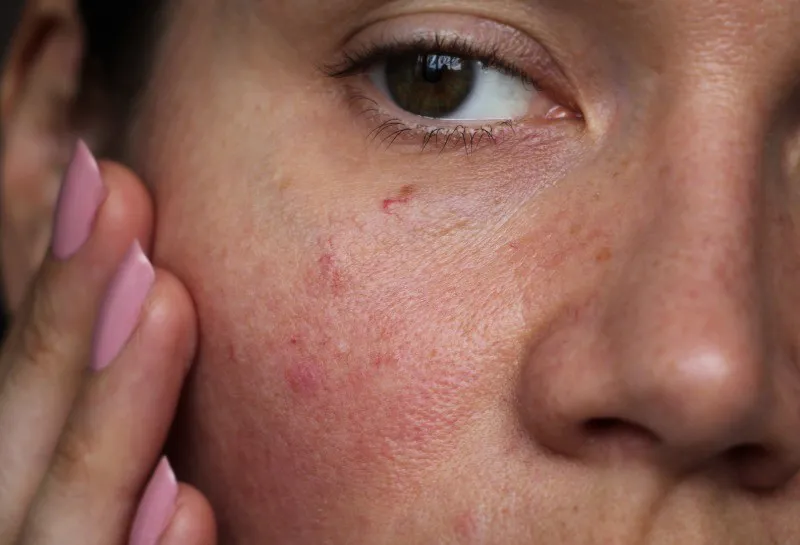
Research has increasingly highlighted a relationship between psychological stress and inflammatory skin conditions. Stress can influence the immune system and inflammatory processes, potentially making existing symptoms more difficult to manage.
This is particularly relevant during periods of financial uncertainty. Rising household bills, food prices, housing costs and healthcare expenses can all contribute to ongoing stress.
According to new research commissioned by skincare brand Hydromol, almost seven in 10 people surveyed said their stress levels had been affected by the cost-of-living crisis.
The survey of 1,000 people also found that more than a third reported that their dry skin symptoms had become worse, with stress and anxiety identified as the leading reported reason for flare-ups.
What Can You Do If Stress Is Affecting Your Skin?
If you've noticed that your skin tends to flare during particularly stressful periods, keeping things simple can help.
Stick to the basics
Use products recommended for your skin type and condition, and avoid introducing lots of new products when your skin is already irritated.
Follow your treatment plan
If you have been diagnosed with eczema, psoriasis or another inflammatory skin condition, continue using prescribed treatments as advised by your healthcare professional.
Try to identify your triggers
Keeping a simple diary of your symptoms can help you spot patterns between flare-ups and factors such as stress, sleep, diet, weather or particular products.
Look after your overall wellbeing
Managing stress isn't always easy, particularly when the cause is financial. However, regular sleep, physical activity, time outdoors and talking to someone you trust can all support general wellbeing.
Speak to a professional if symptoms persist
If your skin is becoming increasingly uncomfortable, painful, infected or difficult to manage, speak to your GP, pharmacist or other appropriate healthcare professional.
Don't assume that every flare-up is caused by stress. Skin symptoms can have many different causes and may require professional assessment.
Is the Cost-of-Living Crisis Changing How We Think About Skin Health?
The research highlights an important issue: skin health doesn't exist in isolation.
Financial worries can affect stress levels, lifestyle choices and access to healthcare, while stress itself may influence existing skin conditions. For people already managing eczema, psoriasis or other chronic skin problems, these pressures can become interconnected.
As the cost of living continues to affect households, understanding the relationship between emotional wellbeing, lifestyle and skin health could become increasingly important.
If you want to read more, the experts at Consulting Room really know what they're talking about and have put together some pigmentation, ZO Skin Health, Dermalux LED, rosacea, skin tone and texture, medical-grade skincare, spider veins and sclerotherapy treatment FAQs just for you.
If you have more questions, you can use the pigmentation, ZO Skin Health, Dermalux LED, rosacea, skin tone and texture, medical-grade skincare, spider veins and sclerotherapy treatment questions feature to talk to our panel of trained medical experts.
If you're keen to get started with any of these treatments right away then you're in luck - those clever folks also have a list of trusted, accredited pigmentation, ZO Skin Health, Dermalux LED, rosacea, skin tone and texture, medical-grade skincare, spider veins and sclerotherapy clinics in your area.