

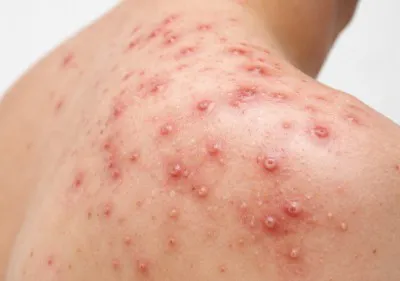
Shoulder acne is often discussed less frequently than facial acne, yet it can be a persistent concern for many people. Breakouts in this area may appear alongside acne on the back or chest, or they may develop independently due to local triggers such as sweat, friction from clothing, or blocked hair follicles. Because the shoulders contain active oil-producing glands, they can be particularly prone to inflammation when pores become congested.
Understanding shoulder acne can sometimes feel confusing. The condition may resemble other skin problems of the upper body, including folliculitis or irritation caused by clothing or skincare products. In addition, the shoulders are a harder area to treat consistently than the face, which can make breakouts take longer to clear up. For this reason, people often wonder whether their skincare routine is appropriate, whether medical treatment may be needed, or whether professional skin treatments could play a role.
This guide provides a clear overview of shoulder acne and the factors that contribute to it. It explains how breakouts develop in the skin, how shoulder acne differs from acne affecting other areas of the body, and which lifestyle, skincare, and medical treatments may be considered. It also outlines when professional advice may be helpful and how clinicians typically assess persistent acne.
To begin, it helps to understand what shoulder acne is and how it develops within the skin.
Our Preferred Partner - LDM® Triple

LDM® Triple is a non-invasive ultrasound-based treatment used in aesthetic and dermatology clinics to support skin health, tissue regulation, and the Treatment of Acne-Prone or inflamed skin. This guide is for anyone trying to understand what it is, how it works, and whether it may be relevant to their skin concern.
- What LDM® Triple is, and how it differs from standard cosmetic ultrasound
- Which skin concerns it is commonly used for, including Acne and early ageing-related concerns
- What to consider around suitability, comfort, risks, pricing and provider choice
Understanding Shoulder Acne
Shoulder acne refers to breakouts that develop on the skin across the shoulders and upper back. Like acne elsewhere on the body, it forms when hair follicles become blocked by oil, dead skin cells, and bacteria.
Although it may look similar to facial acne, the shoulder area has its own triggers and challenges, which can influence how breakouts develop and how they are treated.
What shoulder acne is and how it develops
Acne develops within hair follicles, the tiny structures in the skin where each hair grows. Attached to these follicles are sebaceous glands, which produce sebum, an oily substance that helps keep the skin lubricated.
When acne forms, several processes happen at the same time:
-
Increased oil production: Sebaceous glands produce more sebum than the skin needs.
-
Build-up of dead skin cells: These cells accumulate within the follicle and block the pore.
-
Bacterial activity: Naturally occurring skin bacteria can multiply in the blocked follicle.
-
Inflammation: The immune system responds to this build-up, creating red or painful spots.
This process can lead to different types of lesions, including:
-
Blackheads and whiteheads are where the pore is blocked but not inflamed.
-
Papules and pustules, which are red or pus-filled spots.
-
Nodules or cysts, which are deeper and more inflamed forms of acne.
The shoulders contain many oil-producing glands, which makes them a common area for acne. In addition, the skin here is often exposed to sweat, friction from clothing, and pressure from bags or sports equipment, which can clog pores.
Common types of shoulder breakouts
Shoulder acne does not always appear as one single type of spot. It may include a mixture of different lesions, which can help clinicians assess severity and guide treatment.
Common patterns include:
-
Comedonal acne: Mostly blackheads and whiteheads without much redness or swelling.
-
Inflammatory acne: Red, tender papules and pustules caused by inflammation in the follicle.
-
Nodular or cystic acne: Larger, deeper lumps under the skin that may be painful and carry a higher risk of scarring.
Not every bump on the shoulders is acne. Some people develop folliculitis, which is inflammation of hair follicles caused by bacteria or yeast. This condition can resemble acne but may require different treatment.
Because the skin on the shoulders is thicker and less accessible than the face, breakouts in this area can sometimes persist for longer before they are noticed or treated.
Understanding how shoulder acne forms is helpful when considering prevention strategies and treatment options, which are explored in the following sections.
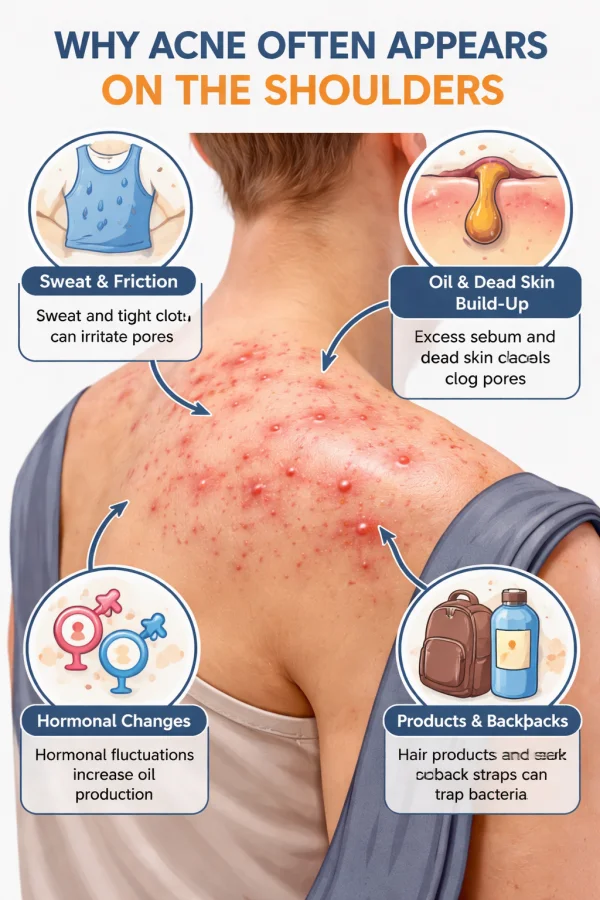
Why Acne Often Appears On The Shoulders
Shoulder acne develops for many of the same biological reasons as facial acne, but certain environmental and lifestyle factors can make this area particularly prone to breakouts. Understanding these influences can help explain why acne on the shoulders sometimes appears suddenly or persists despite basic skincare.
Oil glands and blocked pores in the shoulder area
The skin across the shoulders and upper back contains a high concentration of sebaceous glands. These glands produce sebum, the natural oil that protects and moisturises the skin.
When acne forms, several processes may contribute:
-
Increased sebum production: Hormonal changes can stimulate the sebaceous glands to produce more oil than the skin needs.
-
Dead skin cell accumulation: Cells lining the pore do not shed normally, leading to blockage.
-
Bacterial growth: When oil and skin cells collect inside the follicle, bacteria can multiply and trigger inflammation.
This combination can lead to the formation of blackheads, inflamed spots, or deeper nodules. The shoulders can be particularly affected because oil production in this region is often similar to that seen on the upper back and chest.
Sweat, friction, and clothing as triggers
External factors frequently contribute to shoulder breakouts, especially in people who exercise regularly or wear tight clothing.
Common triggers include:
-
Sweat accumulation: Prolonged sweating can create a humid environment that encourages bacterial growth within blocked pores.
-
Friction from clothing or straps: Backpacks, sports bras, and tight fabrics can repeatedly rub against the skin.
-
Heat and pressure: These conditions may contribute to a form of acne known as acne mechanica, which develops when follicles become irritated by friction and trapped sweat.
These triggers do not cause acne on their own, but they can aggravate existing acne-prone skin and increase the likelihood of flare-ups.
Hormonal and lifestyle factors
Hormonal activity is a main driver of acne across many parts of the body, including the shoulders.
Situations that may influence shoulder acne include:
-
Hormonal fluctuations: Changes linked to puberty, menstrual cycles, pregnancy, or certain medical conditions can increase sebum production.
-
Genetic predisposition: Acne often runs in families, which may affect how the skin responds to hormones.
-
Stress: Stress does not directly cause acne, but it can influence hormone levels and inflammatory responses in the skin.
For some people, shoulder breakouts occur alongside acne on the face, chest, or back. In others, shoulder acne may appear independently due to local triggers such as friction or sweat.
Understanding these underlying causes helps explain why treatments often need to address both internal factors, such as hormones or inflammation, and external influences, such as skincare habits or clothing choices.
While shoulder acne shares the same biological origins as acne elsewhere on the body, the role of sweat, friction, and environmental triggers can make it behave slightly differently. Recognising these influences can help guide practical prevention steps and appropriate treatment choices.
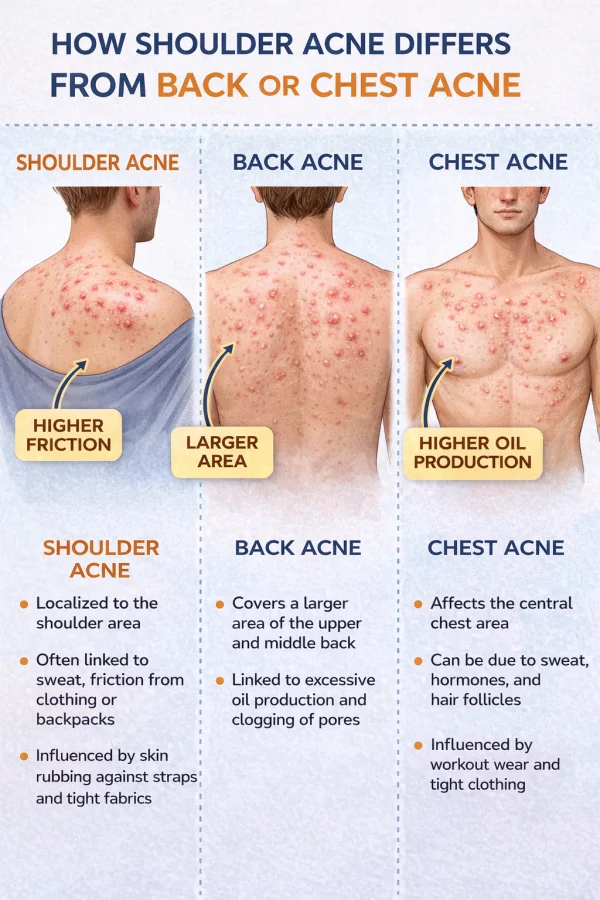
How Shoulder Acne Differs From Back Or Chest Acne
Acne affecting the shoulders often appears alongside breakouts on the back or chest. However, the pattern, triggers, and treatment approach can vary slightly depending on the area involved.
Recognising these differences can help clarify whether shoulder acne is part of a wider acne pattern or a more localised skin concern.
Similarities between shoulder and back acne
The shoulders and upper back share several biological characteristics that make them prone to acne.
Key similarities include:
-
High density of sebaceous glands: Both areas produce significant amounts of sebum, which can contribute to blocked pores.
-
Thicker skin structure: The skin on the back and shoulders is thicker than facial skin, which can make spots deeper and sometimes slower to heal.
-
Limited accessibility for treatment: Applying topical treatments consistently can be more difficult on the shoulders and back than on the face.
-
Greater exposure to sweat and friction: Clothing, sports equipment, and prolonged sitting or movement can irritate follicles in these areas.
Because of these similarities, shoulder acne is often grouped with what dermatologists call truncal acne, which includes breakouts on the chest, back, and shoulders.
Differences between shoulder and chest acne
Although shoulder and chest acne may share some triggers, there are also practical differences in how breakouts develop and present.
These include:
-
Friction patterns: Shoulder acne is more likely to be aggravated by straps, bags, or clothing seams that sit directly on the shoulders.
-
Sweat distribution: The upper back and shoulders tend to accumulate sweat during exercise more than the chest.
-
Hair follicle structure: The density and structure of hair follicles can differ slightly between these areas, which may influence the type of lesions that appear.
For this reason, someone may experience persistent shoulder acne even if the chest remains relatively clear.
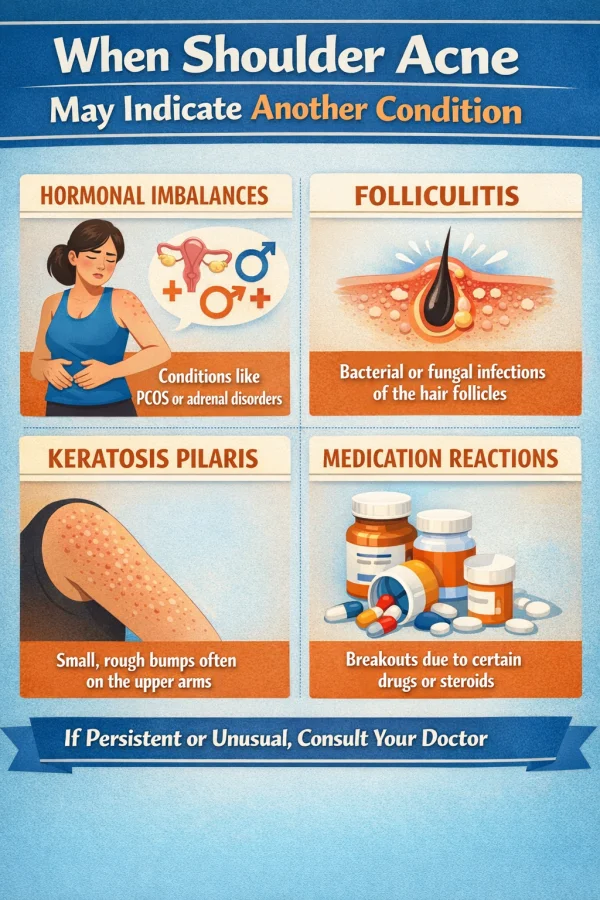
When shoulder breakouts may indicate another condition
Not every cluster of spots on the shoulders is acne. Some skin conditions can resemble acne but have different underlying causes.
Examples include:
-
Folliculitis: Inflammation or infection of hair follicles, often triggered by bacteria or yeast.
-
Keratosis pilaris: A condition where keratin builds up within hair follicles, creating small, rough bumps on the skin.
-
Irritant or product-related reactions: Certain body lotions, hair products, or laundry detergents may clog pores or irritate.
These conditions can sometimes look similar to acne but may respond better to different treatments. If shoulder breakouts do not improve with typical acne care, a clinical assessment can help clarify the diagnosis.
While shoulder acne shares many features with back or chest acne, local factors such as friction, sweat, and hair-follicle structure can influence its development. Identifying these differences can help guide more targeted treatment and skincare choices.
Practical Steps That May Help Reduce Shoulder Breakouts
For many people, shoulder acne improves with consistent skincare and simple lifestyle adjustments. These measures focus on reducing blocked pores, limiting irritation, and supporting the skin’s natural barrier.
While these steps may help with mild breakouts, persistent or inflamed acne may still require medical advice or professional treatment.
Choosing suitable skincare products
Skincare products used on the shoulders can influence how easily pores become blocked. Products that are heavy, oily, or highly fragranced may increase the likelihood of breakouts in some individuals.
When selecting products for acne-prone skin, dermatology guidance often recommends:
-
Non-comedogenic cleansers: Products designed not to block pores.
-
Medicated body washes: Cleansers containing ingredients such as benzoyl peroxide or salicylic acid may help reduce excess oil and bacteria.
-
Lightweight moisturisers: Oil-free or gel-based moisturisers can help maintain the skin barrier without contributing to congestion.
It is generally advisable to introduce new products gradually, as some acne treatments can temporarily irritate the skin before improvement becomes noticeable.
Daily habits that may reduce breakouts
In addition to skincare, certain everyday habits can influence the likelihood of shoulder acne flare-ups.
Practical considerations include:
-
Showering after exercise: Removing sweat and bacteria from the skin soon after activity.
-
Changing out of tight or damp clothing: This helps reduce prolonged friction and trapped moisture.
-
Choosing breathable fabrics: Lightweight, moisture-wicking materials may reduce irritation during exercise.
-
Avoiding frequent touching or picking: Repeated pressure on spots can increase inflammation and the risk of scarring.
Small adjustments to daily routines can often reduce some of the environmental triggers associated with shoulder acne.
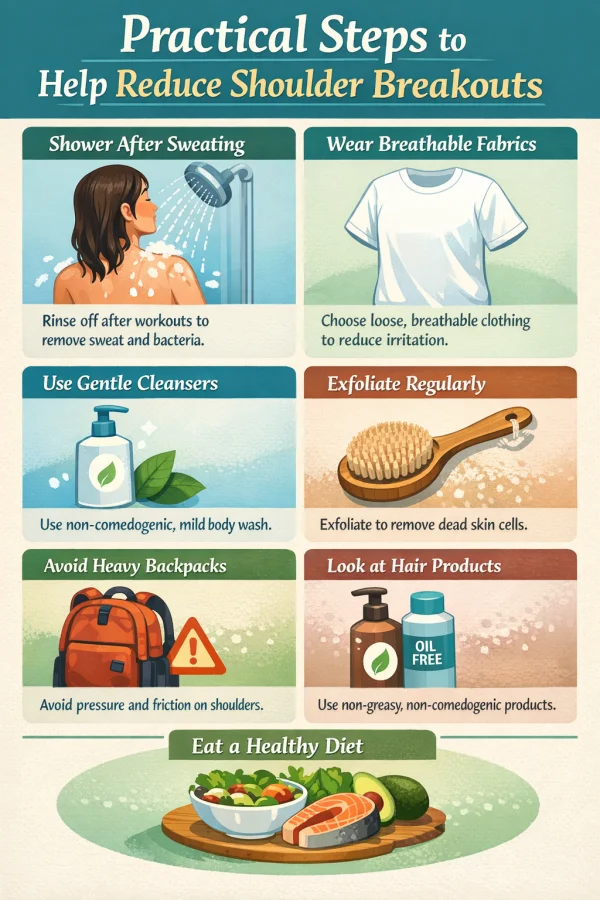
Gentle exfoliation and skin care balance
Exfoliation can help remove excess dead skin cells that contribute to blocked pores. However, overly aggressive exfoliation can damage the skin barrier and worsen irritation.
Balanced approaches may include:
-
Chemical exfoliants: Ingredients such as salicylic acid can help dissolve debris within pores.
-
Avoiding harsh scrubs: Abrasive exfoliation can increase inflammation and sensitivity.
-
Maintaining the skin barrier: Regular moisturising helps prevent dryness that can sometimes follow acne treatments.
When using exfoliating products, frequency should be adjusted according to skin tolerance rather than applied excessively.
For mild shoulder acne, consistent skincare and small lifestyle changes can often improve skin clarity over time. If breakouts persist or remain inflamed, or if they become widespread, medical treatment may be needed to address the underlying causes.
Medical Treatments Used For Persistent Shoulder Acne
When shoulder acne does not respond to routine skincare or over-the-counter products, medical treatments may be recommended. These treatments aim to reduce oil production, prevent blocked pores, and control inflammation within the skin.
The most appropriate option depends on the severity of the acne, the type of lesions present, and how the skin has responded to previous treatments.
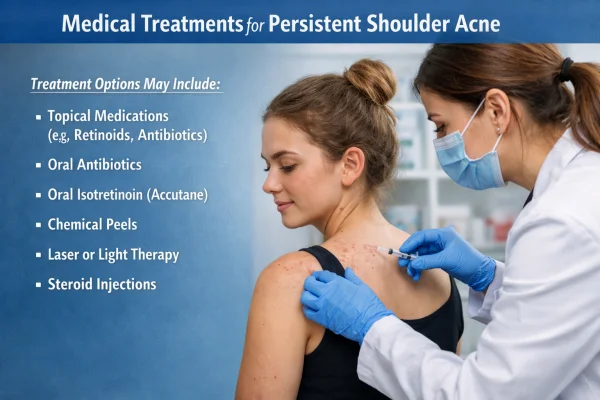
Prescription topical treatments
Topical treatments are usually the first step for mild to moderate acne that has not improved with non-prescription products. These medications are applied directly to the skin and work by reducing pore blockage and limiting bacterial growth.
Common prescription options include:
-
Topical retinoids (such as adapalene or tretinoin)
-
Help regulate how skin cells shed inside the follicle
-
Reduce the formation of new blocked pores
-
-
Combination treatments containing benzoyl peroxide and antibiotics
-
Target both bacteria and inflammation
-
Often prescribed when inflamed spots are present
-
-
Azelaic acid-based treatments
-
May help reduce inflammation and improve post-acne pigmentation
-
These treatments are usually applied across the entire affected area rather than individual spots. Improvements often become noticeable gradually over several weeks.
Oral medications for moderate or severe acne
When acne affects large areas such as the shoulders and upper back, topical treatments alone may not be sufficient. In these cases, oral medication may be recommended.
Options may include:
-
Oral antibiotics
-
Reduce inflammation and bacterial activity in the skin
-
Typically prescribed alongside topical treatments for several months
-
-
Hormonal treatments for women
-
Certain medications can help regulate hormone-related acne patterns
-
These are usually considered when acne appears, linked to hormonal fluctuations
-
-
Isotretinoin
-
A specialist treatment used for severe or treatment-resistant acne
-
Works by significantly reducing sebum production and inflammation
-
Requires careful medical supervision due to potential side effects
-
Clinical guidelines commonly recommend reviewing acne treatments after approximately 12 weeks to assess whether the approach is improving the condition and to adjust treatment if necessary.

Treatment planning and expectations
Acne treatments rarely produce immediate changes. Instead, improvement usually develops gradually as the skin cycle responds to treatment.
During medical treatment, clinicians typically consider:
-
The severity and distribution of acne lesions
-
Previous treatments and response
-
Any potential side effects or contraindications
-
The individual’s lifestyle and treatment preferences
Because the shoulders and upper back can be difficult areas to treat consistently, treatment plans often combine skincare, topical therapy, and sometimes oral medication.
Medical treatment can be helpful when shoulder acne becomes persistent, widespread, or inflamed. A structured treatment plan allows clinicians to address the underlying causes while monitoring progress over time.
Medical Treatments Used For Persistent Shoulder Acne
For some people, shoulder acne continues despite appropriate skincare and medical treatment. In these cases, professional treatments offered in dermatology or aesthetic clinics may be considered as part of a broader management plan.
These procedures are typically used to support medical treatment, reduce inflammation, or improve skin texture after acne has been controlled.
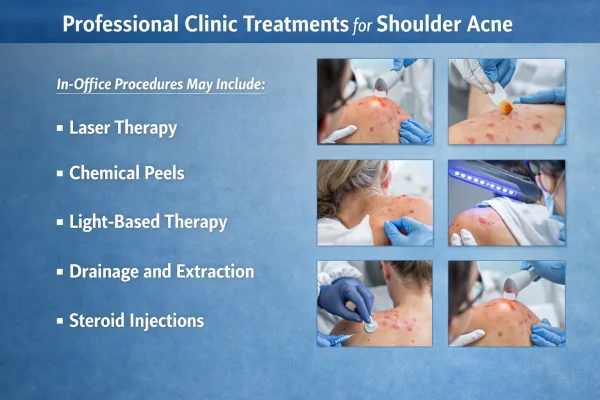
Skin treatments are commonly used in clinics.
Clinics may offer several non-surgical treatments designed to help manage acne-prone skin. The choice of treatment depends on the severity of the acne, the individual’s skin type, and whether active inflammation is present.
Examples include:
-
Superficial chemical peels
-
These use carefully selected acids to exfoliate the upper layers of skin.
-
They can help reduce blocked pores and support skin cell turnover.
-
-
Light-based treatments
-
Some therapies use specific wavelengths of light to target acne-related bacteria and inflammation.
-
These approaches are sometimes used alongside medical treatments.
-
-
Ultrasound-based skin treatments
-
Technologies such as LDM Triple use therapeutic ultrasound to support skin repair and help regulate inflammatory activity.
-
These treatments are typically used as supportive therapies rather than standalone acne cures.
-
The suitability of these treatments varies. A consultation with a qualified practitioner helps determine whether professional treatments may be appropriate for the individual’s skin and acne pattern.
Treatments for acne marks or scarring
Shoulder acne can sometimes leave marks or scars, particularly if the acne has been inflamed or has been present for a long time.
Once active acne is controlled, treatments may be considered to improve skin texture or pigmentation changes.
Common approaches include:
-
Microneedling
-
Creates controlled micro-injuries in the skin to stimulate collagen production.
-
Often used to improve the appearance of shallow acne scars.
-
-
Laser or resurfacing treatments
-
Used in some cases to address deeper scars or uneven skin texture.
-
Typically performed by experienced practitioners after careful assessment.
-
-
Pigmentation treatments
-
Target discolouration that may remain after acne has healed.
-
Because active acne can interfere with scar treatments, clinicians usually prioritise controlling ongoing breakouts first before focusing on scar improvement.
Professional clinic treatments may help manage shoulder acne or improve the appearance of acne-related marks. However, they are usually most effective when combined with appropriate medical treatment and skincare.
When To Seek Professional Advice
Shoulder acne is common and often manageable with appropriate skincare and over-the-counter treatments. However, some cases benefit from medical assessment, particularly when breakouts are persistent, inflamed, or affecting larger areas of skin.
Seeking advice from a GP, dermatologist, or qualified skin practitioner can help clarify the cause of the breakouts and identify treatments appropriate to the severity of the condition.
Signs of shoulder acne may need medical assessment.
Not all acne requires medical treatment, but certain patterns suggest that professional advice may be helpful.
Situations where assessment is often recommended include:
-
Persistent breakouts that do not improve with over-the-counter products after several weeks of consistent use.
-
Painful or deep spots, such as nodules or cysts.
-
Acne affecting multiple areas, including the shoulders, back, chest, or face.
-
Visible scarring or dark marks develop after spots heal.
-
Acne causing significant distress or affecting confidence.
Healthcare professionals usually assess acne by examining the skin and identifying the types of spots present. The severity of acne helps determine the most appropriate treatment pathway.
What to expect from an acne consultation
A consultation for shoulder acne usually focuses on understanding both the skin condition and any factors that may contribute to breakouts.

During the appointment, a clinician may:
-
Examine the skin across the shoulders, back, chest, and face to assess the distribution of acne.
-
Discuss previous treatments, including skincare products or medications that have already been tried.
-
Identify possible triggers, such as hormonal changes, lifestyle factors, or skincare products.
-
Explain treatment options, which may include topical treatments, oral medication, or supportive clinic therapies.
In most cases, acne can be diagnosed by visual examination without laboratory testing.
Treatment plans are often reviewed after a set period, allowing clinicians to adjust the approach if the skin has not improved as expected.
If shoulder acne is persistent, painful, or scarring, a professional assessment can help identify the most appropriate treatment and reduce the risk of long-term skin changes.
Preventing Acne Marks And Long-Term Skin Changes
One of the main concerns with persistent shoulder acne is the possibility of lasting skin changes. These may include pigmentation marks, uneven skin texture, or acne scars.
Early and consistent management of acne can help reduce the likelihood of these outcomes and support healthier skin over time.
Avoiding behaviours that can worsen acne
Certain habits can increase inflammation in acne-prone skin and raise the risk of marks or scarring after spots heal.
Practices clinicians commonly advise avoiding include:
-
Picking or squeezing spots
-
This can push inflammation deeper into the skin and delay healing.
-
It also increases the risk of permanent scarring.
-
-
Excessive scrubbing or harsh exfoliation
-
Aggressive exfoliation can damage the skin barrier and worsen irritation.
-
Gentle cleansing and appropriate exfoliating products are generally preferred.
-
-
Using multiple strong acne products at once
-
Combining treatments without guidance can cause dryness and irritation.
-
This may make the skin more reactive rather than improving breakouts.
-
Taking a gradual and consistent approach to acne treatment is usually more effective than frequently changing products.
Long-term skin maintenance strategies
Once acne begins to improve, maintaining skin health becomes an important part of preventing future breakouts and minimising marks.
Common strategies include:
-
Maintaining a consistent skincare routine
-
Regular cleansing and appropriate treatment products help reduce pore blockage.
-
-
Supporting the skin barrier
-
Moisturisers suitable for acne-prone skin can prevent dryness caused by active treatments.
-
-
Protecting the skin from sun exposure
-
Ultraviolet light can darken post-acne marks and prolong their visibility.
-
Sun protection may help reduce this effect.
-
-
Monitoring recurring acne patterns
-
If breakouts regularly return, ongoing treatment or maintenance therapy may be recommended by a clinician.
-
When acne has already caused noticeable scars or pigmentation changes, professional treatments may be considered to improve skin texture and tone. These options are usually discussed once active acne is under control.
Preventing long-term skin changes often involves a combination of early treatment, consistent skincare, and avoiding habits that increase inflammation in the skin.
Your Acne Questions
Real Questions from Real People — Answered
Straightforward answers to the questions people like you are asking right now about Acne.

Do u use obaji products.
Do you provide treatments with obaji products
My son suffers with acne.
My son suffers with acne, we have tried a lot of different treatments but nothing seems to work, I would like to find out about prices for consultation and possible treatment
To view all the Acne questions, please click here.
Or href="/questions/?Treatment_Sent=Acne">click here to ask your own question.
Find A Verified Clinic
Trusted Acne Experts, Local to You
Easily connect with qualified, verified professionals for safe, reliable treatment.


Angela Lord Aesthetics and Wellness
Welcome to Angela Lord Aesthetics & Wellness, my private, registered home clinic in Preston, Paignton. Serving Torbay, Marldon and wider Devon, and national.
The Elite Clinic
The Elite Clinic is a nurse-led aesthetics and skin clinic in Knowle, Solihull, offering advanced skin rejuvenation, laser treatments and personalised cosmetic care.
To find a Acne clinic near you, please click here.
Grow Your Practice with Acne
Whether you are already using Acne or considering adding it to your treatment menu, here is how to make the most of it.

Are you a practitioner? If you'd like to link your practice to Acne and become part of ConsultingRoom.com, you can register as a verified specialist using the information on our specialist registration page.
Once verified, your profile can feature Acne alongside the other treatments, conditions and products you support, helping patients searching ConsultingRoom.com find you directly.