

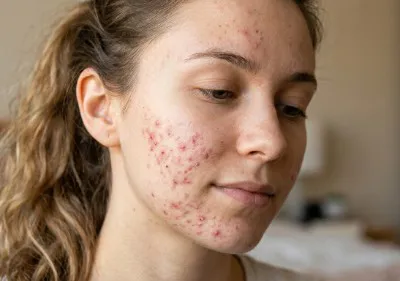
Facial acne can affect teenagers and adults, and it does not always follow the same pattern from one person to another. Some people mainly notice blackheads and small bumps across the forehead or nose, while others develop inflamed breakouts on the cheeks, chin, or jawline. In adults, particularly women, facial acne can also raise questions about hormones, skincare products, stress, or whether the condition now needs more than over-the-counter treatment. That mix of possible causes is one reason the topic is often misunderstood.
Careful explanation matters here because facial acne is not only about visible spots. Persistent inflammation can lead to discomfort, pigmentation changes, and, in some cases, scarring. It can also be difficult to judge when a breakout is likely to settle with suitable skincare and when it may be more appropriate to speak to a pharmacist, GP, dermatologist, or qualified skin professional. Clear information helps reduce guesswork and supports more informed decisions.
This guide explains what facial acne is, why certain parts of the face are more commonly affected, the different types of acne lesions that can appear, and the most common causes behind facial breakouts. It also covers treatment pathways, prevention of scarring, and when professional advice may be worth considering.
The first step is to understand what facial acne is and why the face is such a common area for breakouts.
Our Preferred Partner - LDM® Triple

LDM® Triple is a non-invasive ultrasound-based treatment used in aesthetic and dermatology clinics to support skin health, tissue regulation, and the Treatment of Acne-Prone or inflamed skin. This guide is for anyone trying to understand what it is, how it works, and whether it may be relevant to their skin concern.
- What LDM® Triple is, and how it differs from standard cosmetic ultrasound
- Which skin concerns it is commonly used for, including Acne and early ageing-related concerns
- What to consider around suitability, comfort, risks, pricing and provider choice
What Facial Acne Is And Why It Commonly Affects The Face
Facial acne refers to acne that develops on the face, typically affecting the forehead, cheeks, chin, and jawline. While acne can appear on other parts of the body, the face is particularly prone because it contains a high concentration of oil-producing glands.
How acne forms in facial skin
Acne develops when the small openings in the skin, known as hair follicles, become blocked. Each follicle is connected to a sebaceous gland that produces sebum, an oily substance that helps protect and lubricate the skin.
When this system becomes disrupted, several processes can occur:
-
Excess sebum production
Hormonal signals can stimulate sebaceous glands to produce more oil than the skin needs. -
Build-up of dead skin cells
Normally, dead cells shed naturally from the skin's surface. In acne-prone skin, these cells can accumulate and block the follicle. -
Blocked pores
The mixture of oil and skin cells can form a plug in the follicle. When the plug remains beneath the skin surface, it forms a whitehead, while an open plug may appear as a blackhead. -
Inflammation and bacterial activity
Bacteria that naturally live on the skin can multiply within the blocked follicle, triggering inflammation and leading to red or pus-filled spots.
These biological changes occur beneath the skin’s surface rather than on it, which is why acne is not caused by poor hygiene. Over-washing or harsh cleansing can sometimes irritate the skin and worsen inflammation rather than improve it.
The difference between occasional spots and persistent facial acne
Many people experience occasional facial breakouts, particularly during periods of stress or hormonal change. Persistent acne, however, tends to involve recurrent breakouts in the same areas and may include several different lesion types.
Signs that facial acne may be more than occasional blemishes include:
-
Recurrent blackheads or whiteheads across the same areas of the face
-
Red, inflamed spots that take time to settle
-
Deeper or painful lesion,s such as nodules
-
Marks, pigmentation, or early scarring following breakouts
Persistent acne can affect both teenagers and adults. In women, breakouts around the jawline or chin may sometimes reflect hormonal influences, particularly around menstrual cycles or conditions that affect hormone balance.
Understanding whether acne is mild and occasional or more persistent is important because treatment approaches may differ. Mild breakouts often respond to appropriate skincare and over-the-counter treatments, while moderate or severe acne may require guidance from a GP, dermatologist, or experienced skin professional.
In most cases, a healthcare professional can diagnose acne through a simple skin examination, assessing the types of spots present and their spread.
Facial acne is common and manageable, but recognising how it develops is the first step towards choosing appropriate care and treatment.
Areas Of The Face Most Commonly Affected By Acne
Facial acne does not usually appear evenly across the skin. Breakouts often cluster in particular areas of the face, reflecting differences in oil production, hormonal influence, and external triggers such as skincare products or friction.
Understanding where acne appears can sometimes help identify contributing factors and guide treatment choices.
Forehead acne
The forehead forms part of the facial "T-zone", an area known for higher oil production. This makes it a common site for blocked pores and small inflammatory spots.
Factors that can contribute to forehead acne include:
-
Higher density of sebaceous glands
Increased oil production in this area can make clogged pores more likely. -
Hair products and styling products
Ingredients from hair sprays, gels, or oils can transfer onto the skin and block follicles. -
Sweat and occlusion
Hats, helmets, and sports headbands can trap heat and sweat against the skin.
Forehead acne often presents as small bumps, blackheads, or whiteheads rather than deeper lesions.
Cheek acne
Acne on the cheeks may develop for several reasons, including skincare products, environmental exposure, and friction.
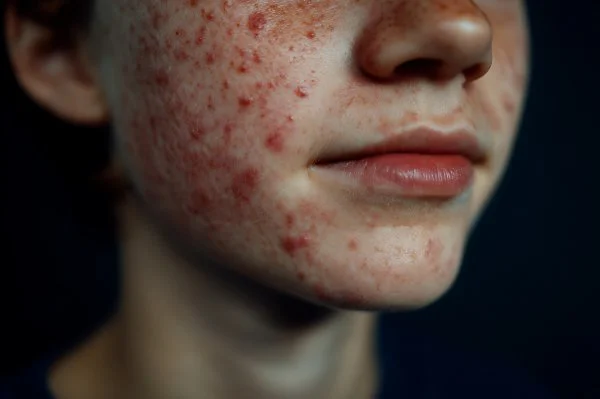
Common contributing factors include:
-
Cosmetic and skincare products
Heavier formulations or comedogenic ingredients can clog pores. -
Contact with external surfaces
Mobile phones, pillowcases, and hands touching the face can introduce bacteria or oils. -
Inflammatory acne lesions
Cheeks are a frequent location for red, inflamed papules and pustules.
Breakouts in this area can sometimes leave marks or pigmentation after healing, particularly if lesions are picked or irritated.
Chin and jawline acne
The chin and jawline are areas frequently associated with hormonal acne patterns, particularly in adult women.
Features of jawline acne may include:
-
Breakouts linked to hormonal fluctuations
Many people notice flare-ups before or during their menstrual cycle. -
Deeper inflammatory lesions
Spots in this area can sometimes appear as tender nodules beneath the skin. -
Recurring breakouts in the same location
Hormonal acne often follows a predictable pattern.
Hormonal influences do not affect everyone in the same way. Still, when breakouts repeatedly occur along the lower face, it may be worth discussing possible hormonal factors with a healthcare professional.
Nose and central facial acne
The nose and central face are also part of the T-zone and therefore produce more sebum than other areas.
Acne in this region may involve:
-
Blackheads and enlarged pores
These are common due to higher oil production. -
Small inflammatory spots
These may appear when blocked pores become irritated.
Because pores are naturally larger in this region, congestion can be more noticeable even when acne is mild.
Why acne distribution patterns matter
The location of facial acne can sometimes provide useful clues about underlying triggers. For example:
-
T-zone breakouts often relate to oil production and pore blockage.
-
Jawline acne may reflect hormonal influence.
-
Cheek acne may be linked to skincare products or environmental factors.
These patterns are not diagnostic on their own, but they can help clinicians assess possible causes and select appropriate treatments.
Recognising these patterns also helps individuals understand that a single factor rarely causes facial acne. Instead, it usually reflects a combination of biological processes, lifestyle influences, and skin sensitivity.
Although acne can affect any area of the face, certain regions are more prone to breakouts due to oil gland density, hormonal influence, or external triggers. Identifying where acne appears is often a helpful step when assessing possible causes and planning treatment.
Common Causes Of Facial Acne
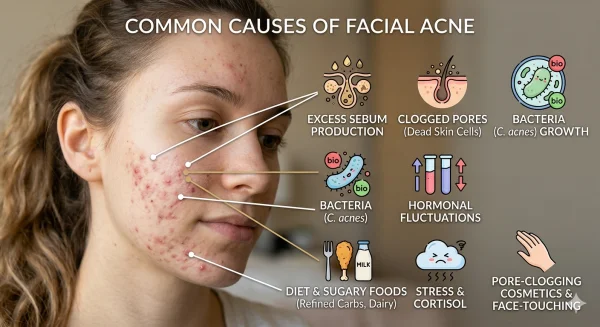
Facial acne usually develops through a combination of biological processes rather than a single cause. Hormonal activity, oil production, blocked pores, and inflammation all play a role, which is why breakouts can vary widely from person to person.
Understanding these underlying causes can help explain why acne appears on the face and why treatment often needs to address several factors at once.
Hormonal changes and facial acne
Hormones influence the activity of sebaceous glands, which produce the oil that protects the skin. When hormone levels change, these glands may produce more sebum than the skin needs.
Situations where hormonal changes can affect facial acne include:
-
Puberty
Increased hormone levels stimulate oil production, which is why acne commonly begins during adolescence. -
Menstrual cycle fluctuations
Some women notice acne flare-ups shortly before their period. -
Hormonal conditions such as polycystic ovary syndrome (PCOS)
Hormonal imbalances can lead to persistent acne, particularly around the jawline and chin.
In women, sudden onset of acne alongside symptoms such as irregular periods or increased hair growth may indicate an underlying hormonal condition that a healthcare professional should assess.
Skincare and cosmetic products
Certain skincare, cosmetic, or hair products can contribute to facial acne if they block pores or irritate the skin.
Potential factors include:
-
Comedogenic ingredients
Some oils or heavy formulations can block follicles and lead to blackheads or whiteheads. -
Layering multiple skincare products
Using many active products at once can disrupt the skin barrier and trigger inflammation. -
Hair products transferring onto the skin
Styling products may contribute to breakouts along the hairline or forehead.
Many modern skincare products are labelled non-comedogenic, meaning they are designed not to clog pores. Choosing products suited to acne-prone skin can help reduce irritation and congestion.
Lifestyle and environmental triggers
Although internal skin processes primarily drive acne, external factors can influence how often breakouts occur.
Examples include:
-
Stress
Stress hormones can increase oil production and inflammatory responses in the skin. -
Smoking
Some studies suggest smoking may contribute to acne in adults. -
High glycaemic diets
Foods that rapidly increase blood sugar may influence hormonal pathways linked to acne in some individuals.
Lifestyle factors alone rarely cause acne, but they may worsen existing breakouts in people who are already prone to the condition.
Medications and other medical factors
In some cases, acne may develop or worsen due to certain medications.
Examples include:
-
steroid medicines
-
Lithium is used in mental health treatment
-
Some medications are used for epilepsy
If acne begins suddenly after starting a new medication, it is worth discussing this with a GP or healthcare professional.
Why facial acne usually has multiple causes
Facial acne rarely develops for a single reason. Instead, it tends to result from several processes occurring at the same time:
-
increased oil production
-
blocked follicles from dead skin cells
-
bacterial growth within the pore
-
inflammation in the surrounding skin
This is why treatment often involves combining skincare adjustments with medical or professional treatments, depending on the severity of the condition.
Facial acne usually develops through a combination of hormonal influence, oil production, blocked pores, and inflammation. Identifying possible triggers can help guide treatment choices, although most people experience a mix of contributing factors rather than a single cause.
Types Of Facial Acne Lesions
Facial acne can appear in several different forms, depending on how blocked pores and inflammation develop in the skin. Recognising the type of acne lesion present is helpful because it often influences treatment decisions and the potential risk of scarring.
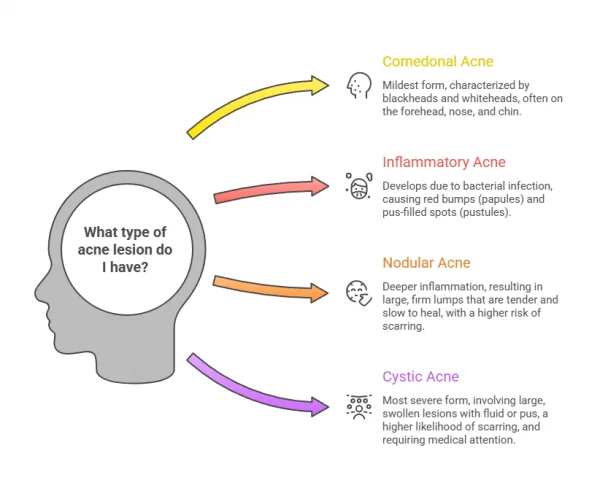
Dermatologists and skin professionals typically assess acne by looking at the types of lesions present and how widespread they are.
Comedonal acne
Comedonal acne is considered the earliest and mildest form of acne. It develops when pores become blocked by a mixture of oil and dead skin cells.
Common features include:
-
Blackheads (open comedones)
These occur when the blocked pore remains open to the surface of the skin. The dark colour is caused by oxidation of the material in the pore rather than dirt. -
Whiteheads (closed comedones)
These form when the blocked follicle remains covered by a thin layer of skin, creating a small, pale or flesh-coloured bump.
Comedonal acne is often seen on the forehead, nose, and chin, where oil production tends to be higher.
Inflammatory acne
Inflammatory acne develops when bacteria multiply inside a blocked pore, causing the surrounding skin to become inflamed.
Types of inflammatory lesions include:
-
Papules
Small red bumps that may feel tender when touched. -
Pustules
Inflamed spots that contain visible pus at the centre.
These lesions may take longer to resolve than blackheads or whiteheads and can sometimes leave temporary marks on the skin.
Nodular acne
Nodular acne occurs when inflammation develops deeper within the skin.
Characteristics may include:
-
Large, firm lumps beneath the surface of the skin
-
Tender or painful lesions
-
Slower healing compared with smaller spots
Because nodules develop deeper within the skin, they carry a higher risk of leaving scars if untreated.
Cystic acne
Cystic acne is considered one of the most severe forms of acne. It involves deeper, inflamed lesions that may contain fluid or pus.
Features of cystic acne can include:
-
Large, swollen lesions beneath the skin surface
-
Pain or tenderness in affected areas
-
Greater likelihood of long-term scarring
Severe acne types such as nodular or cystic acne may require medical assessment and treatment, particularly if breakouts are widespread or persistent.
Why recognising acne type matters
Identifying the type of acne lesion present helps guide appropriate treatment. For example:
-
Comedonal acne often responds well to topical skincare treatments.
-
Inflammatory acne may require prescription creams or oral medication.
-
Severe acne may need specialist dermatology care to reduce the risk of scarring.
Healthcare professionals typically assess acne severity by looking at the number and type of lesions present across the face, chest, or back.
Understanding the type of acne present can therefore help people make informed decisions about treatment and when to seek professional advice.
Facial acne can present as a range of lesion types, from mild blackheads and whiteheads to deeper inflammatory nodules or cysts. Recognising these differences helps clinicians choose treatments that are appropriate for both the severity and pattern of acne.
Treatment Options For Facial Acne
Treatment for facial acne usually depends on the type and severity of the condition, as well as the individual’s skin type and medical history. Many people require a combination of skincare, medical treatment, and sometimes professional procedures to manage breakouts and reduce the risk of scarring.
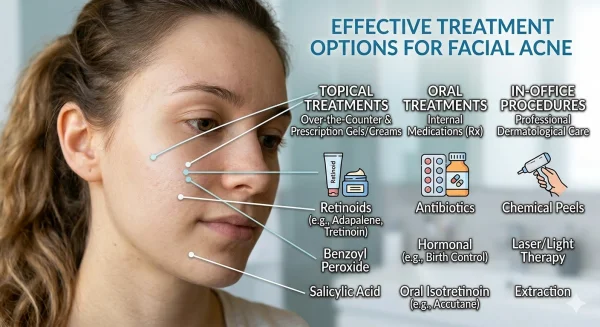
Most acne treatments take time to show visible improvement, and treatment plans are typically reviewed after several weeks to assess how the skin is responding. Clinical guidance often recommends assessing progress after around 12 weeks, as meaningful improvements may take several weeks to become noticeable.
Over-the-counter treatments
For mild facial acne, non-prescription treatments available from pharmacies or skincare providers are often the first step.
Common active ingredients include:
-
Benzoyl peroxide
Helps reduce bacteria and inflammation within blocked pores. -
Azelaic acid
Supports exfoliation of blocked pores and may help reduce redness and pigmentation. -
Niacinamide (nicotinamide)
Often used in skincare formulations to support the skin barrier and reduce inflammation.
These treatments are usually applied to the entire affected area rather than individual spots. Consistent use over several weeks is normally required before improvement becomes visible.
Prescription treatments
If acne does not improve with over-the-counter options, a GP or dermatologist may recommend prescription medication.
Treatment options may include:
-
Topical retinoids
These regulate skin cell turnover and help prevent pores from becoming blocked. -
Topical antibiotics combined with other treatments
Used to reduce inflammation and bacterial activity. -
Oral antibiotics
Often prescribed for moderate inflammatory acne and is usually combined with topical treatment. -
Hormonal treatments
In some women, treatments that influence hormonal pathways may be considered. -
Isotretinoin
A specialist treatment is sometimes used for severe or persistent acne that has not responded to other options.
Because some treatments can cause irritation or side effects, medical supervision is important, particularly when oral medications are involved.
Professional clinic treatments
Alongside medical treatments, some people seek professional treatments from dermatology clinics or aesthetic practitioners. These procedures aim to support acne management or improve skin texture.
Examples include:
-
Chemical peels
Superficial peels can help exfoliate the skin and reduce blocked pores. -
Light-based therapies
Certain light treatments aim to reduce bacterial and inflammatory activity in the skin. -
Ultrasound-based treatments such as LDM Triple
These treatments use specialised ultrasound technology designed to support skin healing and reduce inflammation. -
Microneedling for acne scarring
Once active acne is under control, microneedling may sometimes be used to improve the appearance of acne scars.
Professional treatments are typically considered alongside medical or skincare approaches rather than as a standalone solution.
Why treatment plans are often combined
Because acne develops through several biological processes, effective management usually involves addressing more than one factor.
A treatment plan may therefore combine:
-
daily skincare suited to acne-prone skin
-
topical medications
-
oral treatments when required
-
selected clinic procedures for additional support
This combined approach allows treatment to target oil production, blocked pores, inflammation, and skin healing simultaneously.
Facial acne treatment often involves a gradual, step-by-step approach. Mild cases may respond to pharmacy treatments, while persistent or severe acne may require medical care or specialist procedures to reduce inflammation and protect the skin from long-term damage.
Preventing Acne Scars And Skin Damage
For many people, the long-term concern with facial acne is not only the breakouts themselves but the marks that can remain afterwards. Acne scars and pigmentation changes can develop when inflammation damages deeper layers of the skin.
Early treatment and careful skin care can reduce the likelihood of long-term skin changes, particularly in people with persistent or inflammatory acne.
Why picking or squeezing acne can worsen outcomes
One of the most common causes of acne scarring is physical irritation of inflamed lesions, particularly squeezing or picking spots.
When acne lesions are manipulated:
-
Inflammation can increase
Pressure on the skin may push inflammation deeper into the surrounding tissue. -
Healing may be disrupted
Damaged skin may take longer to recover. -
The risk of scarring increases
Deeper inflammation can affect the collagen structure of the skin.
Picking spots can also lead to post-inflammatory pigmentation, where darker or red marks remain on the skin after the acne has healed.
Because of this, dermatology guidance usually advises avoiding squeezing lesions, particularly nodules or cysts.
Understanding acne scars and pigmentation
Not all acne leaves permanent scars. In many cases, marks left after breakouts are temporary and gradually fade.
Possible skin changes following acne include:
-
Post-inflammatory erythema
Red marks caused by inflammation in the skin. -
Post-inflammatory hyperpigmentation
Darker patches that appear after the skin heals, particularly in people with darker skin tones. -
Atrophic (indented) scars
Small depressions that develop when collagen is lost during healing. -
Raised scars
Less common, but sometimes acne can lead to thickened scar tissue.
The risk of permanent scarring tends to increase with deep inflammatory acne, particularly nodules or cysts.
Skincare practices that support healing
Consistent skincare can support the skin’s ability to recover from breakouts and may reduce the likelihood of visible marks.
Helpful practices may include:
-
Gentle cleansing
Washing the face twice daily with a mild cleanser to remove excess oil and debris. -
Using non-comedogenic moisturisers
Maintaining the skin barrier helps reduce irritation and supports healing. -
Sun protection
Daily sunscreen can help prevent pigmentation marks from becoming darker or more persistent. -
Following treatment guidance carefully
Acne treatments often take time to work, and stopping early can increase the risk of flare-ups.
These steps support overall skin health and can help reduce the severity and duration of acne-related marks.
Professional treatment for acne scarring
If acne scars develop, several medical or clinic-based treatments may help improve the appearance of the skin once active acne has been controlled.
Depending on the type of scar, treatment options may include:
-
Microneedling
A procedure designed to stimulate collagen production and improve skin texture. -
Laser treatments
Used in dermatology to resurface the skin and improve scar appearance. -
Chemical peels
Certain peels may help reduce pigmentation or superficial scarring. -
Ultrasound-based treatments such as LDM Triple
Sometimes used to support skin repair and inflammation control in acne-prone skin.
These treatments are usually considered only after active acne has stabilised, as treating scars while acne is still active may not produce optimal results.
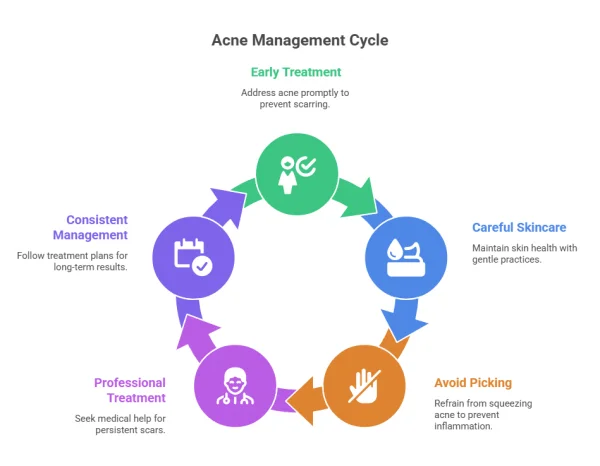
Why early acne management matters
Preventing acne scars often depends on addressing inflammation early and managing acne consistently. Moderate or severe acne left untreated may increase the risk of long-term skin changes.
Seeking professional advice when acne becomes persistent, painful, or widespread can help ensure appropriate treatment and reduce the likelihood of scarring.
Acne scars and pigmentation changes are not inevitable, and many cases can be prevented through early treatment, careful skincare, and avoiding irritation of active spots. When scars do occur, several medical and aesthetic treatments may help improve skin texture and appearance.
When To Seek Professional Advice For Facial Acne
Facial acne is common and often manageable with appropriate skincare or pharmacy treatments. However, some forms of acne benefit from medical assessment, particularly when breakouts are persistent, painful, or affecting confidence and well-being.
Seeking advice from a GP, dermatologist, or qualified skin professional can help ensure that treatment is suited to the severity and underlying causes of the condition.
Signs that acne may require medical treatment.
While mild acne may improve with over-the-counter treatments, certain signs suggest that professional advice may be helpful.
These include:
-
Persistent acne that does not improve after several months of treatment
Acne treatments often require consistent use for around 8 to 12 weeks before improvements become clear. -
Inflamed or painful lesions
Papules, pustules, nodules, or cysts may indicate inflammatory acne that requires medical treatment. -
Acne that is leaving scars or dark marks
Early treatment can reduce the risk of permanent skin changes. -
Widespread acne across the face or other areas of the body
Moderate to severe acne may require prescription medication.
In the UK, healthcare professionals usually diagnose acne through a simple skin examination and by assessing the type and number of lesions present.
When hormonal factors may need investigation
In some cases, facial acne may be linked to underlying hormonal changes.
A healthcare professional may consider a hormonal assessment if acne is accompanied by:
-
irregular or absent menstrual cycles
-
increased facial or body hair
-
sudden onset of severe acne in adulthood
These symptoms can sometimes be associated with conditions such as polycystic ovary syndrome (PCOS), which may require medical evaluation.
Choosing a qualified acne clinic or dermatologist
Some people seek treatment through private dermatology clinics or aesthetic practitioners, particularly when exploring professional skin treatments.
When considering private treatment, it can be helpful to check:
-
Professional qualifications and training
Dermatologists, doctors, nurses, or experienced skin practitioners may provide acne treatments. -
Whether a consultation and skin assessment are offered
A personalised treatment plan should be based on an evaluation of acne severity and skin type. -
Clear information about treatment expectations and timelines
Acne treatments generally require several weeks or months before results can be assessed.
For moderate or severe acne, referral to a dermatologist-led service may sometimes be recommended if initial treatments have not been effective.
Understanding treatment expectations
One of the most common concerns for people seeking treatment is how quickly acne will improve.
It is important to understand that:
-
Acne treatments usually take time to show visible results
-
Some treatments may initially cause temporary irritation or flare-ups
-
Ongoing maintenance skincare may be needed to prevent recurrence
A gradual improvement in inflammation and breakout frequency is often a realistic expectation during treatment.
Professional advice can be helpful when facial acne is persistent, inflammatory, or affecting confidence. A qualified clinician can assess the severity of acne, identify possible contributing factors, and recommend appropriate treatment options.
Your Acne Questions
Real Questions from Real People — Answered
Straightforward answers to the questions people like you are asking right now about Acne.

Do u use obaji products.
Do you provide treatments with obaji products
My son suffers with acne.
My son suffers with acne, we have tried a lot of different treatments but nothing seems to work, I would like to find out about prices for consultation and possible treatment
To view all the Acne questions, please click here.
Or href="/questions/?Treatment_Sent=Acne">click here to ask your own question.
Find A Verified Clinic
Trusted Acne Experts, Local to You
Easily connect with qualified, verified professionals for safe, reliable treatment.


Angela Lord Aesthetics and Wellness
Welcome to Angela Lord Aesthetics & Wellness, my private, registered home clinic in Preston, Paignton. Serving Torbay, Marldon and wider Devon, and national.
The Elite Clinic
The Elite Clinic is a nurse-led aesthetics and skin clinic in Knowle, Solihull, offering advanced skin rejuvenation, laser treatments and personalised cosmetic care.
To find a Acne clinic near you, please click here.
Grow Your Practice with Acne
Whether you are already using Acne or considering adding it to your treatment menu, here is how to make the most of it.

Are you a practitioner? If you'd like to link your practice to Acne and become part of ConsultingRoom.com, you can register as a verified specialist using the information on our specialist registration page.
Once verified, your profile can feature Acne alongside the other treatments, conditions and products you support, helping patients searching ConsultingRoom.com find you directly.