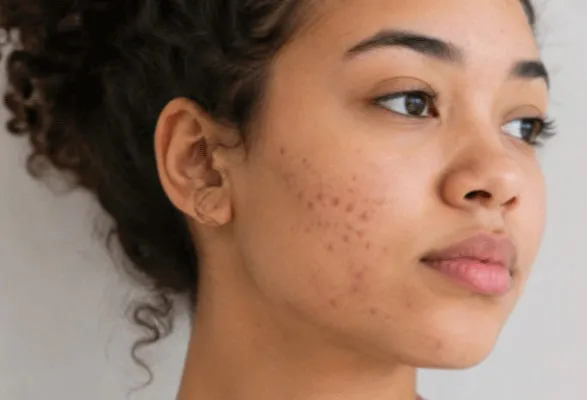

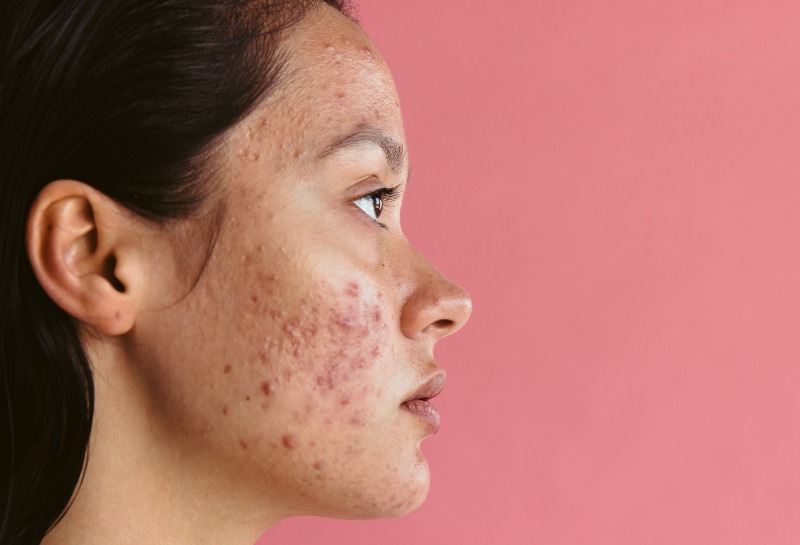
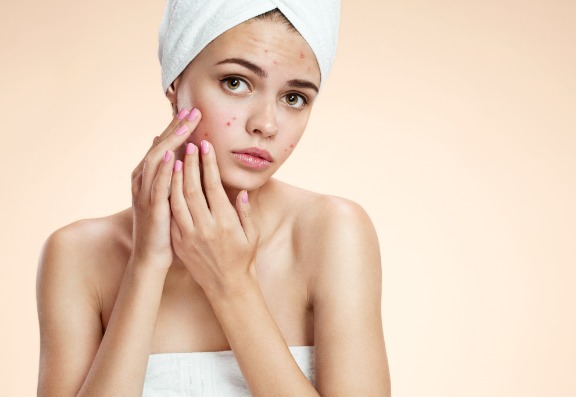
Acne is one of the most prevalent skin conditions, with an estimated 650 million people affected worldwide. Over a third (34%) of UK adults have suffered from acne at some point in their life and almost 1 in every 4 young adults in the UK (24%) currently have some form of acne.
Any form of acne can contribute to a wide range of both mental and physical health problems, from pain and skin sensitivities to low self-esteem and anxiety.
Acne can occur when there is a build-up of excessive oil in the skin which causes the follicle to become blocked and inflamed. Acne severity can range from mild to moderate and severe and tends to present predominantly on the face, but can also appear on the back, shoulders and chest.
There are many factors that can cause or contribute to acne including hormones, medications, excessive sun exposure and pregnancy. Genetic factors also play a big part and other lifestyle factors such as excessive stress and anxiety and diet may also have an impact.
In the UK in 2022 there were 1.65m acne treatments, however only 831 dermatologists are qualified to prescribe the acne medication most commonly known as roaacutane. NHS waiting lists to see a dermatologist for acne or to be prescribed roaccutane can be up to 18 months.
The sooner acne is treated, the better it is for patients as they are less likely to develop scarring which can be extremely difficult to treat. Most people will firstly visit their GP for support, advice and treatment options however seeing a dermatologist as soon as possible will hopefully help to ensure you are provided with effective treatment options quickly.
Our top 3 tips for treating acne:
- Pick a cleanser based on your skin needs, we normally recommend one which includes salicylic acid.
- Use sunscreen everyday as it’s important to protect your skin from the dark marks that can appear after acne.
- Make sure you see a doctor that understands your skin concerns and can recommend the right treatment plan for you.
Our most recommended acne treatments:
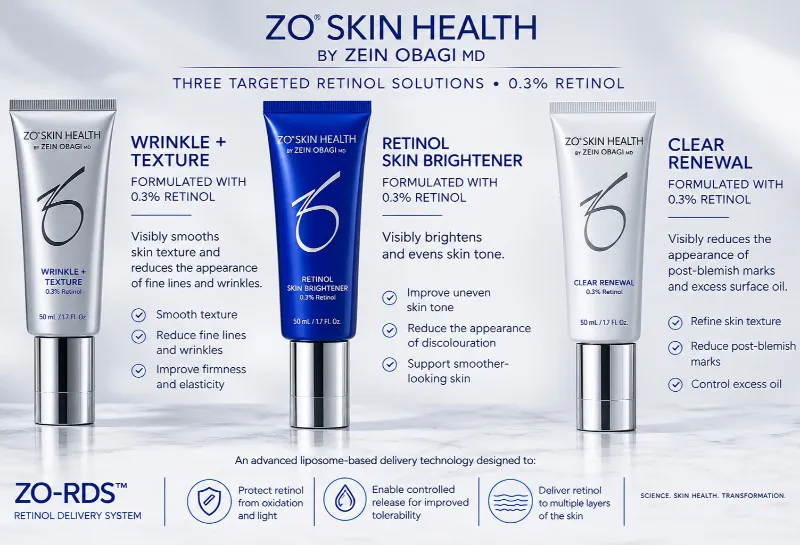
- Mild acne patients should try skincare which is formulated for blemish prone skin.
- Moderate to severe acne patients can see a dermatologist for antibiotic options or prescription acne medication.
- Aesthetic treatments can be used to treat acne including chemical peels, LED light therapy as well as a revolutionary laser designed specifically to treat acne.
If you want to read more, the experts at Consulting Room really know what they're talking about and have put together some acne, Scars, chemical peels and LED light therapy treatment FAQs just for you.
If you have more questions, you can use the acne, Scars, chemical peels and LED light therapy feature to talk to our panel of trained medical experts.
If you're keen to get started with complexion improvement treatment right away then you're in luck - those clever folks also have a list of trusted, accredited acne, Scars, chemical peels and LED light therapy in your area.
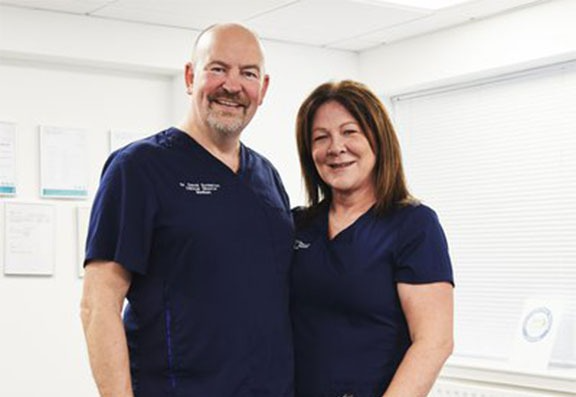
MediZen was founded in 1999 by the worldwide trainer and key opinion leader for Allergan, Dr. David Eccleston, we are the Midlands Premier Aesthetic Clinic.
Medizen provide a range of treatments covering face, skin and body all with the aim of helping you feel your most confident self.
It is our firm belief that this can only be achieved in a medically led clinic such as ours.
Our Birmingham based clinic has a wide range of facilities that allow us to offer a variety of quality treatments from laser treatment to CoolSculpting®, miraDry to skincare and lots more.
Give Medizen a call on 0121 392 8552 or visit medizen.co.uk for more information.