


Dermal fillers and lasers account for 42% of recorded claims in a 10-year snapshot, as Hamilton Fraser highlights the importance of training, informed consent and regular insurance reviews.
Hamilton Fraser has shared a snapshot of 2,226 claims recorded between 1 October 2016 and 1 October 2026, offering aesthetic practitioners insights into treatment-related claims and wider business risks.
Published as the company marks its 30th anniversary, the analysis draws on a defined set of claims recorded over the past decade. It does not represent Hamilton Fraser’s complete claims history or a statistical analysis covering all 30 years.
Dermal fillers accounted for the largest share of recorded claims at 23%, followed by lasers at 19%. General treatments, including hair and beauty, brows, some surgical procedures and mesotherapy, represented 18%, while botulinum toxin accounted for 11%.
A further 15% fell within the ‘surgery claims’ category, which includes business interruption, contents and buildings claims. Hamilton Fraser’s claims team identifies the increase in business interruption claims following COVID-19 lockdowns as the standout change over the period.
The percentages show the distribution of claims within the snapshot, rather than the likelihood of a claim arising from an individual procedure. Without corresponding treatment volumes, they cannot establish that one treatment is riskier than another.
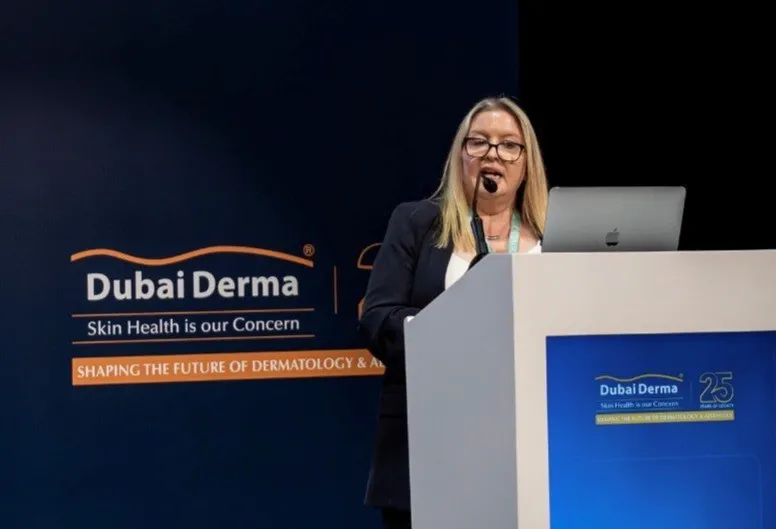
Alongside the figures, Hamilton Fraser’s Claims Lead, Emma Bracchi, highlights the importance of appropriate training, careful consultations and complete patient records.
“Informed consent is vital to any defence of a claim,” says Emma. “The practitioner needs to listen and note all of the patient’s wants and needs, as this is the key part in delivering the correct treatment.”
Emma also encourages practitioners to review their insurance whenever their services change.
“Reviewing your policy cover should be done throughout the year,” she says. Emma also advises practitioners to review their insurance whenever they introduce new treatments, equipment or other changes to their business, rather than assuming existing cover will automatically extend to them.
The accompanying article sets out five practical lessons: keeping complete patient records, reviewing cover throughout the year, understanding policy conditions, allowing enough consultation time and notifying insurers promptly when concerns arise.
https://www.hamiltonfraser.co.uk/content-hub/what-claims-data-tells-us-about-risk-in-aesthetics
It also identifies AI tools, longevity and functional medicine services, and regenerative treatments as areas requiring careful consideration when planning new services. These are forward-looking considerations, rather than trends demonstrated by the claims figures.
Practitioners can contact Hamilton Fraser on 0800 63 43 881 to discuss whether their cosmetic insurance reflects their procedures and business needs.