RAMCE 2025
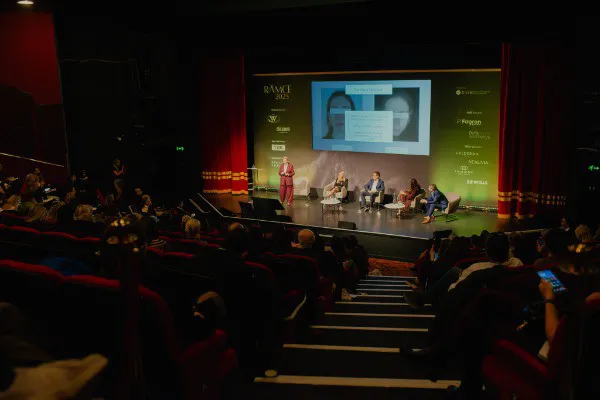
RAMCE 2025 brought together 250 delegates for an exceptional day of regenerative aesthetic education, collaboration and insight.
The event opened with a welcome address from content director Chloé Gronow and commercial director Simon Haroutunian, who highlighted RAMCE’s role as an independent, education-focused meeting delivered as part of the Regenerative Aesthetic Medicine Institute (RAMI). This set the tone for a full scientific programme led by the RAMI Scientific Committee, spanning injectables, topicals, devices and longevity.
Dr Kate Goldie opened the sessions by establishing a clear, structured framework for defining regenerative aesthetics. Her talk provided the scientific grounding that shaped the narrative of the day.
The educational programme then explored regenerative aesthetics from every scientific and clinical angle. Core discussions covered advanced applications of PRP, PLLA, CaHA, exosomes, peptides, and polynucleotides, alongside the growing importance of personalised regenerative strategies informed by genomics. This strong scientific foundation was complemented by a focus on practical decision-making, safety, longevity and the future direction of the field.
Highlights included Professor Mark Birch-Machin offering a compelling deep dive into the role of skin mitochondria in ageing and regenerative response, giving delegates new scientific context directly applicable to clinical treatment planning. Keeping energy high, Dr John Quinn delivered an entertaining yet highly informative session on lasers, guiding clinicians on the key considerations when assessing devices.
_(600_x_200_px).jpg)
Longevity was a key theme, led by Dr Mayoni Gooneratne, who explored how women’s metabolic health, inflammation control and cellular resilience intersect with regenerative interventions. Her sessions demonstrated how longevity principles can be integrated into daily practice to provide more sustainable and holistic patient outcomes.
A major standout followed from Dr Lee Walker, who delivered one of the most anticipated presentations of the programme. His session on complications in regenerative aesthetics combined emerging research, anatomical insight and real clinical scenarios to provide practitioners with crucial tools for safer, more informed practice.
The day concluded with a chaired panel discussion on the future of regenerative aesthetics, bringing together insights from across the programme and leaving delegates optimistic about the direction and potential of the field.
As we look ahead, RAMCE will return on Saturday, November 7, 2026. Save the date and register your interest here – it promises to be another landmark gathering for the regenerative aesthetics community.